T1200 Got You Stuck? Unlock Perfect Holes with Conprofe Ultrasonic Drills
 March 19, 2026 2:27 pm
The landscape of advanced materials shifted dramatically on March 11, 2026. With the global debut of domestically developed T1200-grade ultra-high strength carbon fiber, China has become the first nation to achieve industrial-scale production (hundred-ton level) of this top-tier material. For professionals in civil aviation and high-end manufacturing, this is more than a headline—it is a call to re-evaluate the limits of lightweight structural design.
At Conprofe, we have spent decades mastering the art of machining difficult materials. The arrival of T1200 presents both an extraordinary opportunity and a formidable challenge. In this edition, we take a closer look at the material’s defining characteristics, explore its potential in civil aviation applications, and address the critical question on every manufacturer’s mind: how do we effectively machine what is essentially the world’s toughest fiber?
Part I: The “King of Materials” Reaches New Heights
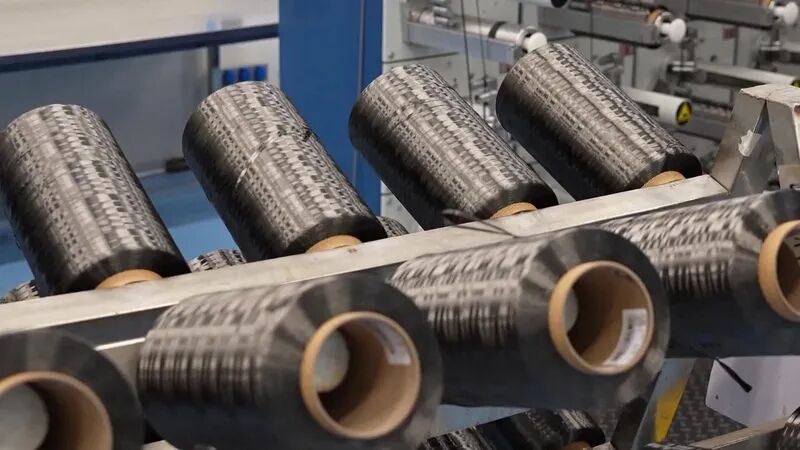
Carbon fiber has long been regarded as the “King of New Materials”—light as a strand of silk yet stronger than steel. The new T1200-grade fiber pushes this axiom to its extreme.
The Technical Specifications: As a 12K small-tow fiber, each bundle comprises 12,000 individual filaments. To put this in perspective, under an electron microscope at 800x magnification, a human hair appears coarse, measuring roughly 67 microns in diameter. A T1200 filament, however, measures less than 4.5 microns—less than one-tenth the width of that hair.
The Performance Paradox: Despite its microscopic diameter—less than 4.5 microns per filament—T1200 delivers a tensile strength exceeding 8,000 MPa. That is roughly ten times the strength of standard structural steel, yet at only one-quarter of the density. This exceptional combination of ultra-high strength, minimal weight, and superior modulus positions T1200 as the pinnacle of commercially available ultra-high strength carbon fiber today.
Why does this matter for extreme environments?
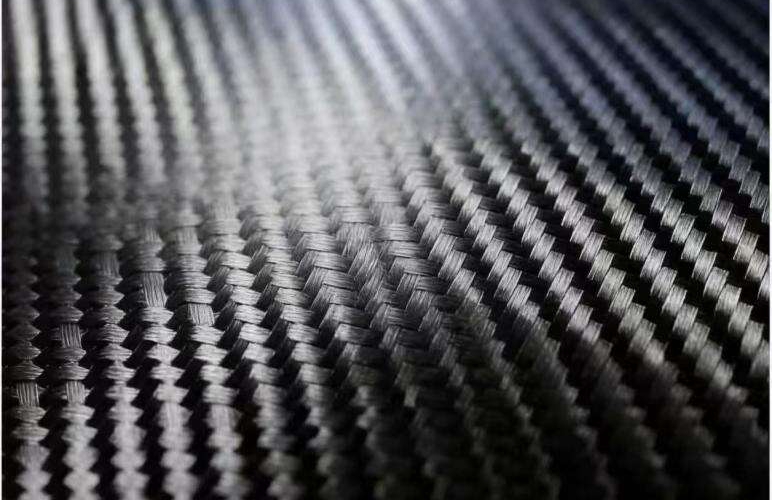
Chemical Inertness: Subjected to carbonization temperatures nearing 2,000°C during production, T1200 exhibits near-total chemical stability. In comparative tests, while metal dissolves instantly in aqua regia (a mixture of hydrochloric and nitric acid), T1200 fabric remains inert, highlighting its suitability for corrosive aviation and deep-sea environments.
Inherent Safety: When subjected to a blowtorch exceeding 1,000°C, T1200 fabric glows red but does not ignite or smoke. This intrinsic fire resistance and non-flammability are critical for cabin safety and engine nacelle integrity.
The Ultimate Strength-to-Weight Ratio: It is currently the strongest, finest, and lightest carbon fiber available for industrial application.
Part II: Aviation Applications and the Machining Paradox
As a cornerstone material for next-generation aviation and space exploration, ultra-high strength carbon fiber represents the strategic high ground of materials science. T1200 is poised to redefine what is possible in structural efficiency.
Key Application Areas:
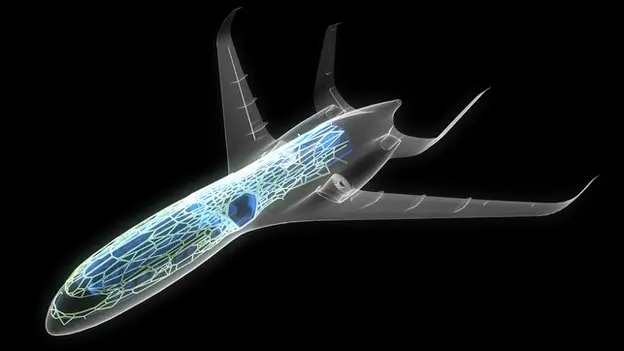
Next-Gen Aircraft Structures: While current applications are gaining traction in high-end sports and aviation sectors, the civil aviation industry is actively validating T1200 for primary structural components. Imagine fuselage skins, wing spars, and keel beams fabricated from this material. Compared to incumbent materials like T800, T1200 offers a potential weight reduction of 10-20%. In an industry where every kilogram saved translates directly to lower fuel burn and carbon emissions, this is a game-changer.
Engine Components: In advanced turbofans like the LEAP series, composites have already replaced titanium for fan blades. T1200 allows engineers to design blades that are thinner and longer (increasing the bypass ratio for better fuel efficiency) while drastically improving impact resistance against bird strikes and foreign object debris. Its superior tensile strength handles the immense centrifugal forces of modern engines with unprecedented safety margins.
The Machining Paradox:
However, the very properties that make T1200 desirable also make it notoriously difficult to process. If we cannot machine it accurately, we cannot assemble it. This is the bottleneck preventing mass adoption.
Brittleness & Processing Damage: T1200’s high modulus means the fibers are stiffer and more brittle. During conventional machining, the friction and impact can easily cause delamination, burrs, and tearing.
Extreme Tool Wear: T1200 acts like an abrasive against cutting tools. The high strength and hardness lead to rapid tool degradation. This not only drives up costs through frequent tool changes but also compromises surface finish as the tool dulls.
Drilling & Assembly Difficulties: Aviation structures rely on thousands of mechanical fasteners, making hole quality paramount. This presents a dual challenge for T1200: exit-side damage, where conventional drills cause “peel-up” delamination by pushing out fibers, and assembly stress, as T1200’s extreme rigidity tolerates virtually no dimensional error.
Layup Challenges: The prepreg form of T1200 is inherently stiff. During automated fiber placement (AFP) on complex double-curvature molds, this stiffness can lead to wrinkling, bridging, or spring-back.
Part III: Solving the Drilling Conundrum: The Conprofe Case Study
To bridge the gap between material potential and industrial reality, Conprofe has developed targeted solutions. We recently tested our equipment against a T1200 carbon fiber plate (9mm thick) to simulate a real-world aviation drilling task.
The Test:
Objective: Drill 7.16mm diameter holes in a 9mm-thick T1200 carbon fiber plate.
Solution: Conprofe Handheld Ultrasonic Pneumatic Drill (Model UHD-PB45) paired with an Ultrasonic Dagger Drill.
Inspection Criteria: Positional tolerance and go/no-go gauge fit, with a focus on exit-side delamination.
The Result:
The difference was stark. Using a traditional pneumatic drill, the exit-side burr and splitting measured 1.1646mm—an unacceptable defect for aviation assembly. However, utilizing Conprofe’s ultrasonic drill, the exit-side burr length was reduced to just 0.0358mm. This represents a 97% reduction in burr and splitting length.
Beyond hole quality, the Handheld Ultrasonic Pneumatic Drills deliver multiple performance benefits:
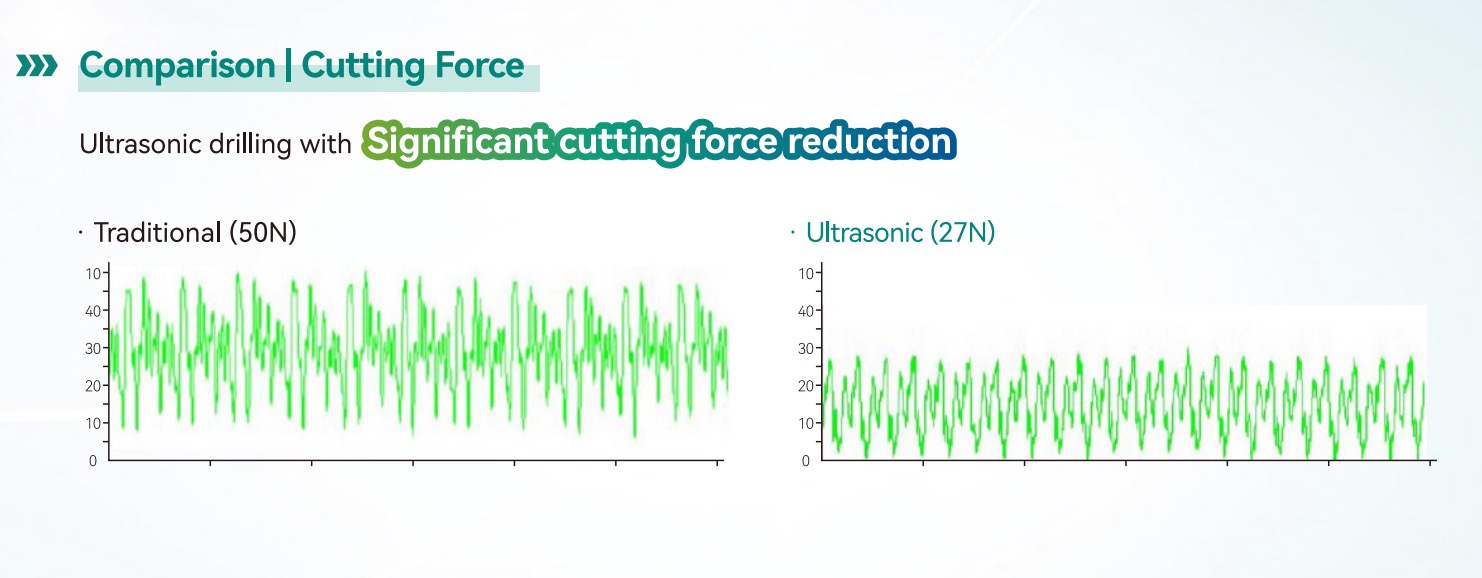
Reduced Cutting Force: Lower physical labor intensity for operators, enabling greater efficiency and precision.
Extended Tool Life: Significant reduction in tool wear keeps operations running longer and more consistently.
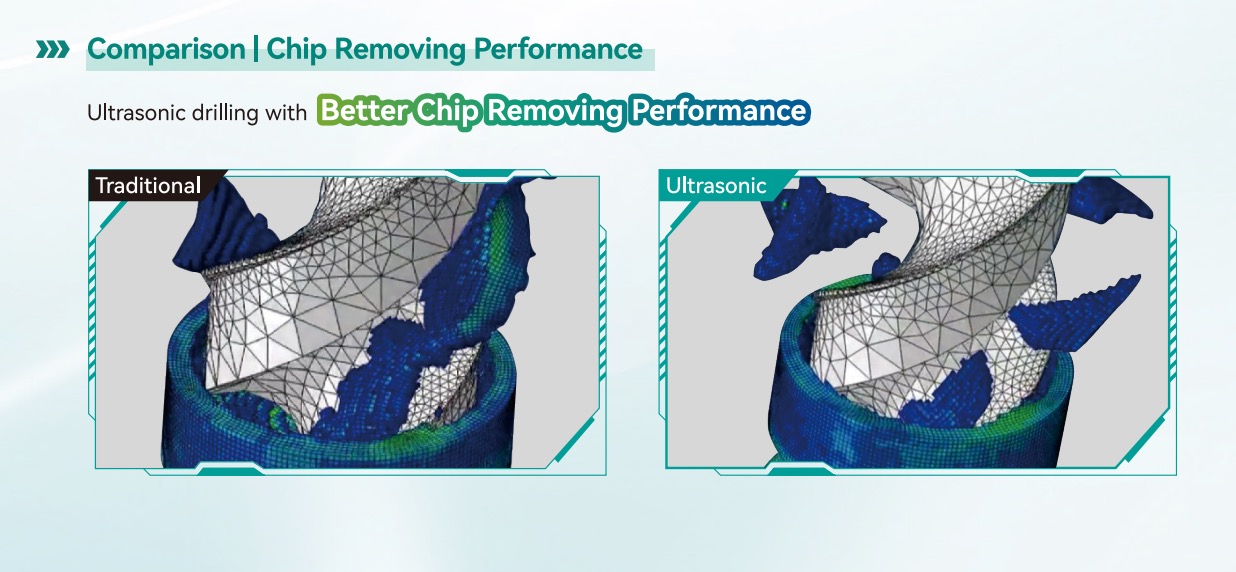
Superior Hole Integrity: Minimized delamination, mitigated fiber pull-out, improved hole roundness and perpendicularity, and reduced wall roughness—all critical for fastener fit and structural reliability.
Process Simplification: Streamlined drilling operations translate to enhanced productivity and cost savings.
This isn’t just a cleaner hole; it is the difference between scrapping a costly T1200 component and assembling a flight-ready structure. The ultrasonic oscillation reduces the cutting force, minimizes friction, and effectively “cuts” rather than “pushes” through the brittle fibers, preserving the material’s integrity.
Proven at JEC World 2026 – Ultrasonic Drilling Solutions for CFRP
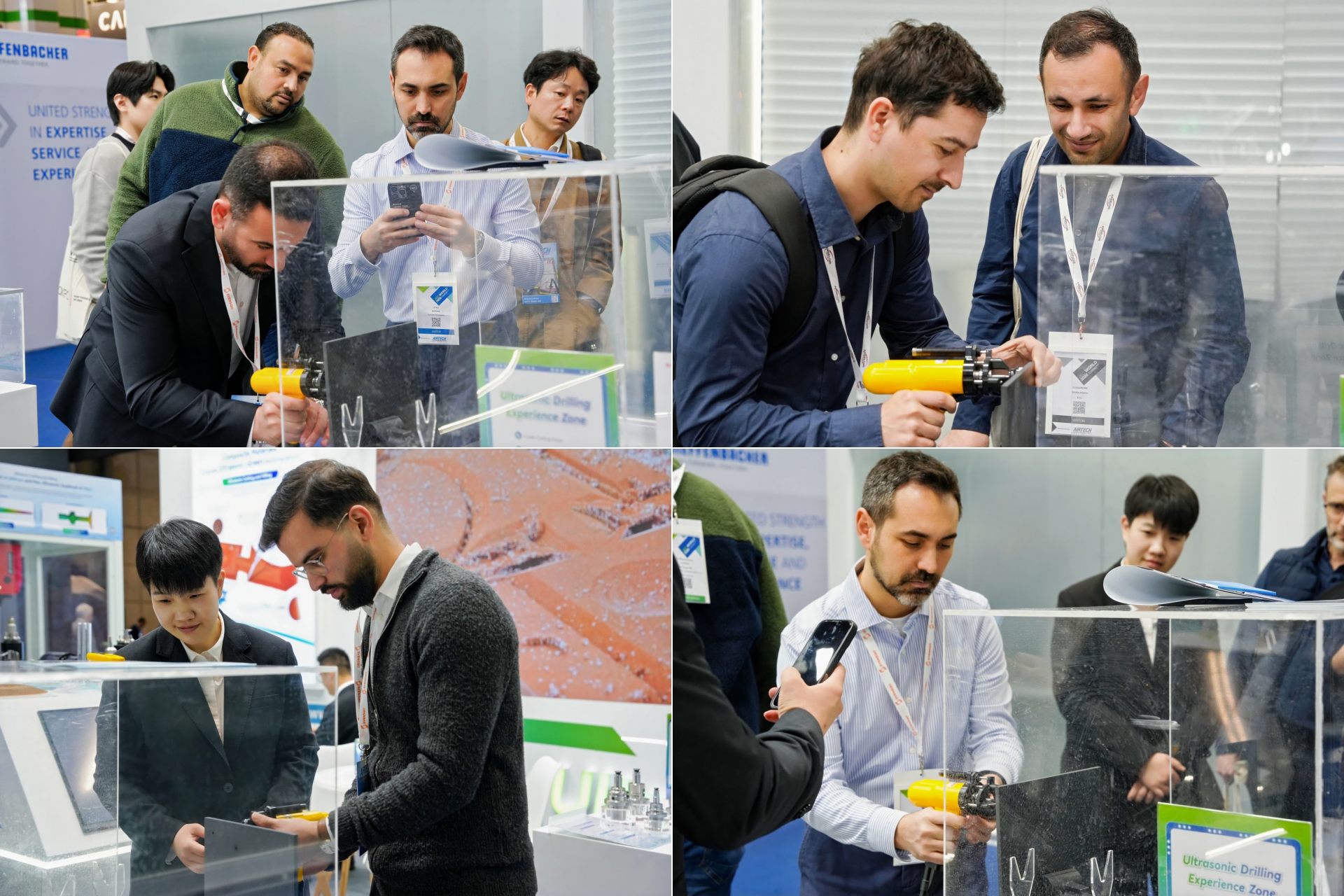
Theory is important, but proof is vital. At the recently concluded JEC World 2026 in Paris, we showcased the Ultrasonic Pneumatic Drill Series at our booth H5-P112. Industry professionals from the composites and aviation sectors witnessed live demonstrations of ultrasonic drilling. The feedback was unanimous: the surface quality and ease of use represent a significant leap forward in solving the carbon fiber composites machining challenge.
Don’t let processing difficulties hold back your design innovation. Unlock the full potential of T1200 and other advanced composites with Conprofe’s ultrasonic drilling solutions.